
Mobile Game Sound Design Program
Learn how to craft immersive audio experiences that transform mobile games. This program walks you through sound synthesis, adaptive music systems, and spatial audio techniques that mobile game developers actually use. You'll work with tools that matter and build a portfolio of sounds you can show.
Start Your Journey
Build Skills That Game Studios Look For
Mobile games need sound designers who understand the constraints. You're working with limited memory, varied devices, and players who might be on mute. This isn't about creating the perfect sound in a studio vacuum—it's about designing audio that works when someone's playing on a bus or waiting in line.
Our curriculum focuses on practical techniques that translate directly to mobile platforms. You'll learn middleware integration with FMOD and Wwise, optimize assets for different Android and iOS devices, and implement adaptive music systems that respond to gameplay without draining battery life.
- Hands-on projects with real mobile game constraints and deadlines
- Recording techniques specifically for mobile game assets
- Interactive music composition for dynamic gameplay scenarios
- Technical audio implementation using industry-standard middleware
What You'll Actually Learn
This program runs over nine months. Each module builds on the previous one, and you'll finish with portfolio pieces that demonstrate your range.
Sound Synthesis & Design
Start with synthesis fundamentals and move into designing UI sounds, character audio, and environmental ambience. You'll learn when to record real sounds versus synthesizing them, and how to process raw audio into polished game assets.
Interactive Music Systems
Compose music that adapts to gameplay intensity without jarring transitions. We cover layering techniques, vertical mixing, and horizontal re-sequencing. You'll build complete adaptive soundtracks that respond to player actions.
Technical Implementation
Bridge the gap between creative work and technical reality. Learn memory management, asset compression techniques, and how to work with Unity and Unreal audio systems. You'll troubleshoot common mobile audio issues and optimize performance.
Learn From Working Professionals
Our instructors currently work in mobile game audio. They know what studios expect because they're living it.

Birgitta Solveig
Sound Design Lead
Birgitta spent six years at a major mobile studio creating audio for titles with millions of downloads. She teaches practical sound design and asset optimization based on what actually works in production environments.
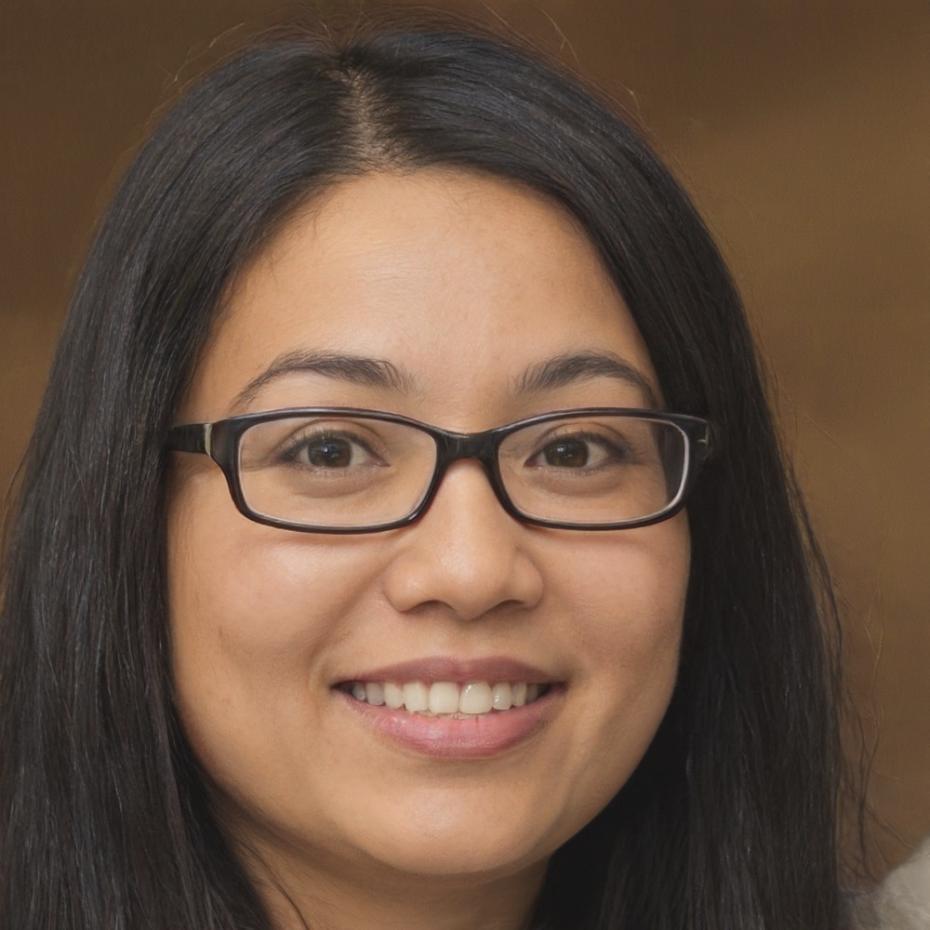
Amara Thorsen
Interactive Composer
Amara composes adaptive music for mobile games and brings a composer's perspective to technical implementation. Her courses focus on creating music systems that enhance gameplay without overwhelming players.

Elettra Rousseau
Technical Audio
Elettra bridges the gap between audio design and code. She's worked with Unity and Unreal extensively and teaches students how to implement their creative work in actual game engines efficiently.
How The Program Works
Foundation Phase
First three months cover audio fundamentals, synthesis techniques, and recording basics. You'll set up your home studio workspace and learn the software tools we'll use throughout the program. Each week includes assignments that build your foundational skills progressively.
Specialization Phase
Months four through six focus on mobile-specific techniques. You'll learn middleware implementation, work with game engines, and start building portfolio projects. This phase includes collaborative assignments where you'll work with other students on small game prototypes.
Portfolio Development
Final three months are dedicated to creating portfolio-quality work. You'll complete two major projects that showcase your skills in different game genres. Instructors provide one-on-one feedback sessions to refine your work before it goes public.
Industry Preparation
Throughout the program, you'll participate in sessions about working as a freelance sound designer or joining a studio team. We review portfolio presentation, discuss contract negotiations, and cover the business side of game audio work. Past students have found these practical sessions valuable when starting their careers.