
Student Work That Actually Sounds Professional
Our students aren't making practice files that collect digital dust. They're creating real mobile game audio that gets used in actual projects. You'll hear soundscapes built from scratch, UI effects that feel responsive, and ambient tracks that pull you into game worlds.
Each piece here represents months of learning, iteration, and honest feedback. Some started knowing nothing about sound design. Others came in with music backgrounds but had never touched game audio. What they all share now? Work they're genuinely proud to show.

Recent Graduate Projects
These aren't curated highlights. Every student who completes our program builds a portfolio piece worth showing. Here's what happens when you give people proper tools, real deadlines, and feedback that actually helps.
Mobile RPG Sound Package
Liang Wei Feng
Wei Feng joined our May intake with zero audio experience but solid music theory knowledge. Six months later, he delivered a complete sound package for a fantasy mobile RPG: 42 UI sounds, 8 ambient tracks, and 15 combat effects. The client—a small Singapore studio—used 80% of his work in their soft launch.
Puzzle Game Audio System
Rajesh Kumar
Rajesh spent three months just on the match-three mechanics. Getting those cascade sounds to feel satisfying without becoming annoying took real iteration. His final project includes adaptive music that responds to combo chains and a complete SFX library built around a cohesive sonic palette. He's now freelancing part-time while finishing his studies.
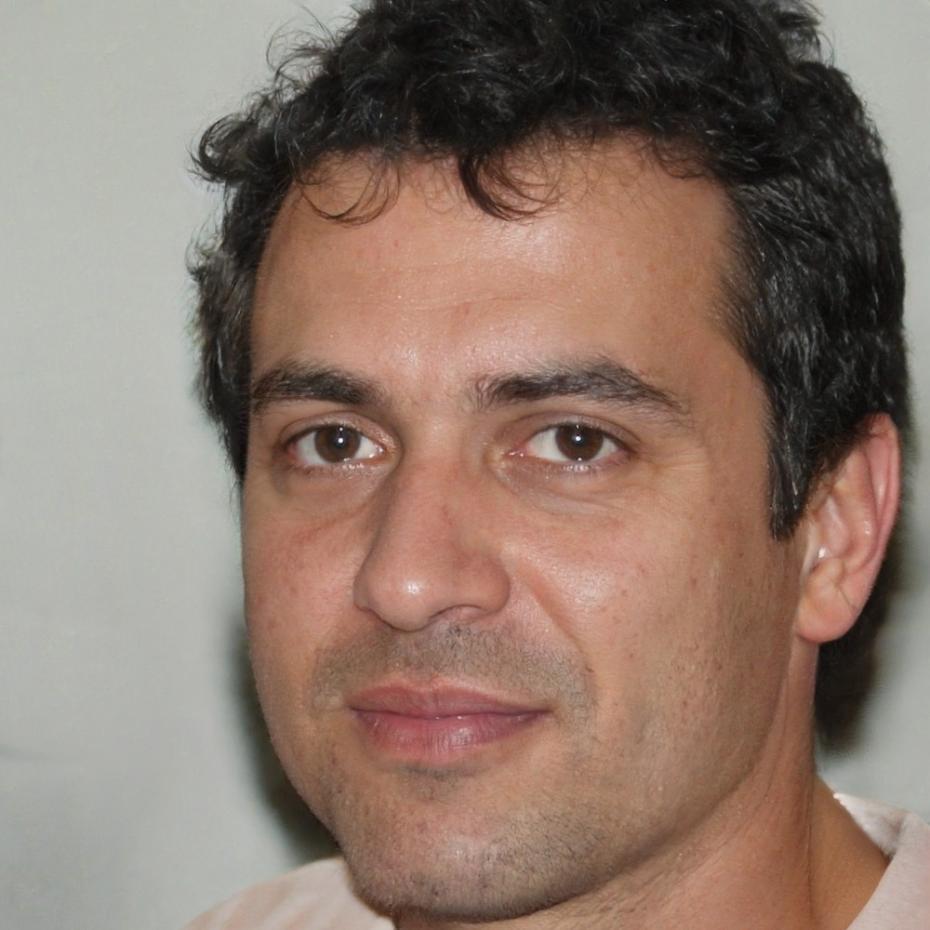
Darren Chua
Mobile Strategy Game Audio
The most valuable part wasn't learning the software—you can YouTube that. It was understanding why certain sounds work in mobile contexts. Battery drain, file compression, memory limits. That's the stuff you don't figure out from tutorials. My final project actually shipped in a real game, which still feels unreal.

Hassan Idris
Casual Mobile Game Suite
I came from music production thinking game audio would be easy. Wrong. The technical constraints, the need for variation without repetition, the way sounds need to layer dynamically—completely different skill set. My portfolio project has sounds I rebuilt four times. That revision process taught me more than any lecture could.
How Students Actually Build These Projects
Portfolio pieces don't happen in a vacuum. Here's the actual process our students follow, with all the messy middle parts included. No shortcuts, no magic formulas—just structured work that compounds over time.
Months 1-2
Foundation Building Phase
Students start with the fundamentals: recording clean audio, basic editing, understanding file formats. Most spend these weeks just getting comfortable with the software. Your first sounds will be terrible—everyone's are. The goal here is building muscle memory and learning to hear critically. We assign small exercises: door sounds, footsteps, basic UI clicks. Nothing fancy.
Months 3-4
Practical Application Stage
Now you're tackling real scenarios. We give you actual game design documents and say "make it sound right." This is where students hit their first major wall. Sounds that seemed fine in isolation don't work in context. You learn about masking, frequency management, and why that explosion you spent hours on gets lost in the mix. Lots of iteration happens here. Lots of deleted files.
Months 5-6
Portfolio Project Development
You pick a game genre and build a complete audio package for it. This isn't theoretical anymore—you're working with real mobile game constraints. File sizes matter. CPU usage matters. Battery drain matters. You'll compress, optimize, and rebuild things multiple times. Some students finish early. Most use every available hour. By the end, you have something you can actually show to studios.
Months 6+
Refinement and Career Prep
The last phase focuses on presentation. Your sounds are solid, but can you explain your decisions? We work on documentation, portfolio websites, and how to talk about your work professionally. Some students use this time to polish existing projects. Others start new pieces to show range. The goal is leaving with material that opens conversations with potential clients or employers.
Your Turn to Build Something Real
Our next intake starts in a few months. If you're serious about mobile game audio and willing to put in focused work, we'll give you the structure and feedback to build a portfolio that actually matters. No fluff, no false promises—just real projects that demonstrate real skills.